Considering GLP-1s? Start Here
Natural GLP-1 Support
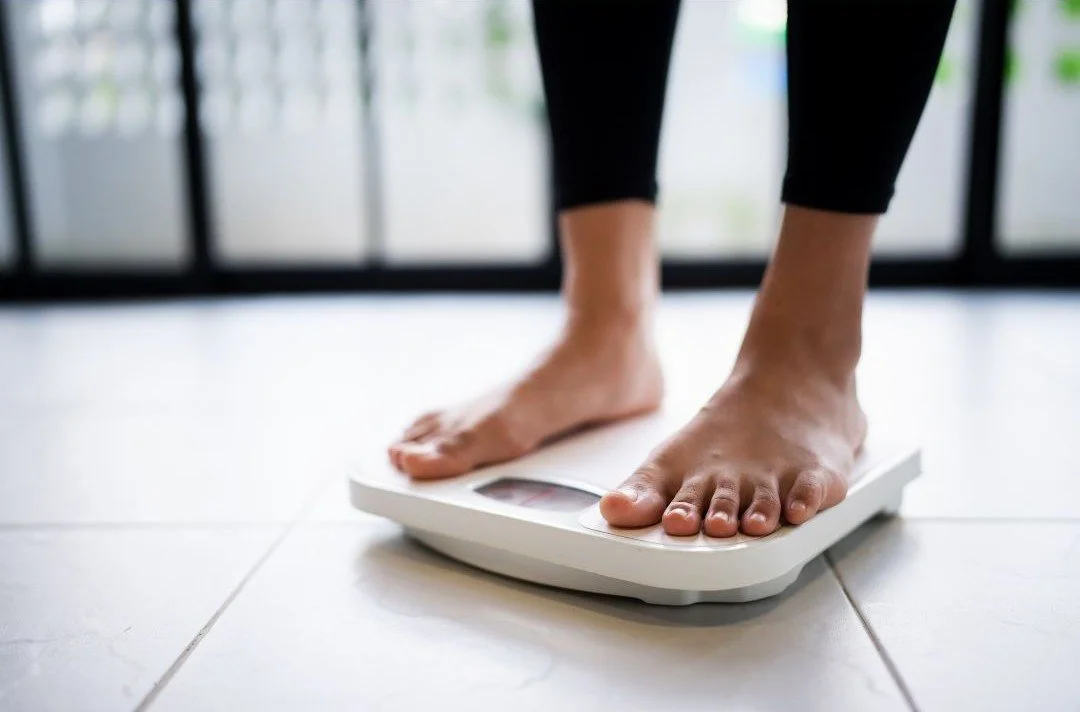
There’s been plenty of buzz about GLP-1 medications like Ozempic and Wegovy - but did you know your body can naturally produce and regulate GLP-1 on its own?
If you’re interested in using prescription GLP-1 for weight loss but don’t like the cost and/or side effects (we commonly see muscle loss), read on to learn how to support your body’s own natural GLP-1 response through nutrition, lifestyle habits and supplementation.
The Skinny on GLP-1
GLP-1 is a hormone primarily produced by enteroendocrine L-cells in the small intestine and colon in response to food intake. GLP-1 slows stomach emptying, increases the feeling of fullness, improves insulin sensitivity, and helps balance blood sugar. In short, it supports metabolic health and helps you feel satisfied after eating.
Why Levels Can Drop
Chronic stress, highly processed diets, poor sleep, and sedentary lifestyles can blunt your body’s GLP-1 response. When GLP-1 isn’t released effectively, cravings increase and blood sugar swings become more common, which can affect weight, metabolism, and appetite/food cravings.
Boost GLP-1 with Nutrition
1. Prioritize protein and fiber.
Eating balanced meals with clean protein (fish, poultry, eggs, legumes) and plenty of soluble fiber (chia seeds, flax, vegetables) supports the gut cells that release GLP-1, keeping you full longer.
2. Choose whole foods over processed ones.
Artificial sweeteners and refined carbohydrates can suppress GLP-1 release. Whole, nutrient-dense foods boost release, while also nourishing the body and balancing blood sugar levels.
3. Support your gut microbiome.
A healthy gut means healthier hormone signaling. Incorporate probiotic-rich foods like yogurt, kefir, kimchi, and sauerkraut. Consider going through a bottle of probiotics once yearly on your birthday, and anytime antibiotics are taken.
Lifestyle Boosts to GLP-1
1. Get moving.
Regular physical activity - especially resistance training and aerobic activity, such as brisk walking after meals, have been shown to increase GLP-1 production and sensitivity.
2. Manage stress and sleep.
High cortisol levels and sleep deprivation disrupt nearly every metabolic pathway. Prioritize 7 - 9 hours of sleep and mindfulness practices like breathing, meditation, or time in nature to reduce cortisol and other stress hormones.
Supplementing for GLP-1
There are specific nutrients and herbs that can enhance your body’s GLP-1 response. Berberine, inositol, chromium, and magnesium have all shown promise in supporting balanced blood sugar and appetite regulation. Akkermansia, a newly emerging beneficial gut microbe, has been shown to directly stimulate intestinal cells to increase GLP-1 production.
Supplements we use to support a healthy GLP-1 response:
Ultra Flora Healthy Weight with Akkermansia
Calocurb
Berberine
Candibactin-BR (90)
Ovasitol Inositol Powder
Pendulum GLP-1 Probiotic
*For individualized recommendations, see your functional medicine practitioner.
The Bottom Line
GLP-1 medications can be valuable tools for some people -but they’re not the only option. Through simple dietary choices and lifestyle shifts, you can optimize your own GLP-1 function naturally and support your body’s innate ability to regulate appetite and metabolism.
Ready to take a more natural approach? Schedule a consult with one of our lifestyle educators to create a personalized plan that optimizes GLP-1 and overall vitality.